
Blog
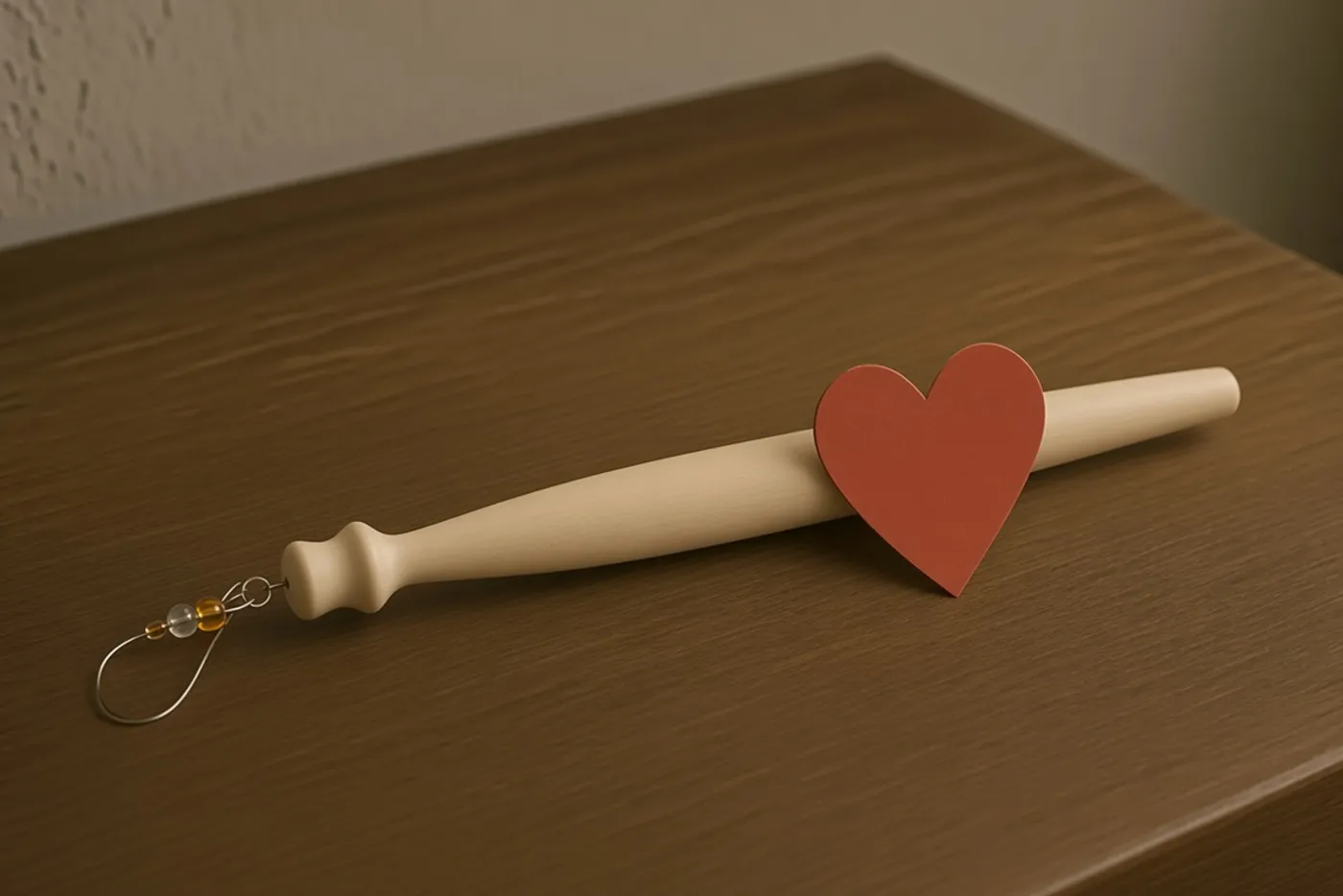
The bobbin they dotted
A lace bobbin carried the thread. In the East Midlands the shank could be drilled with a name, or with one sentence.
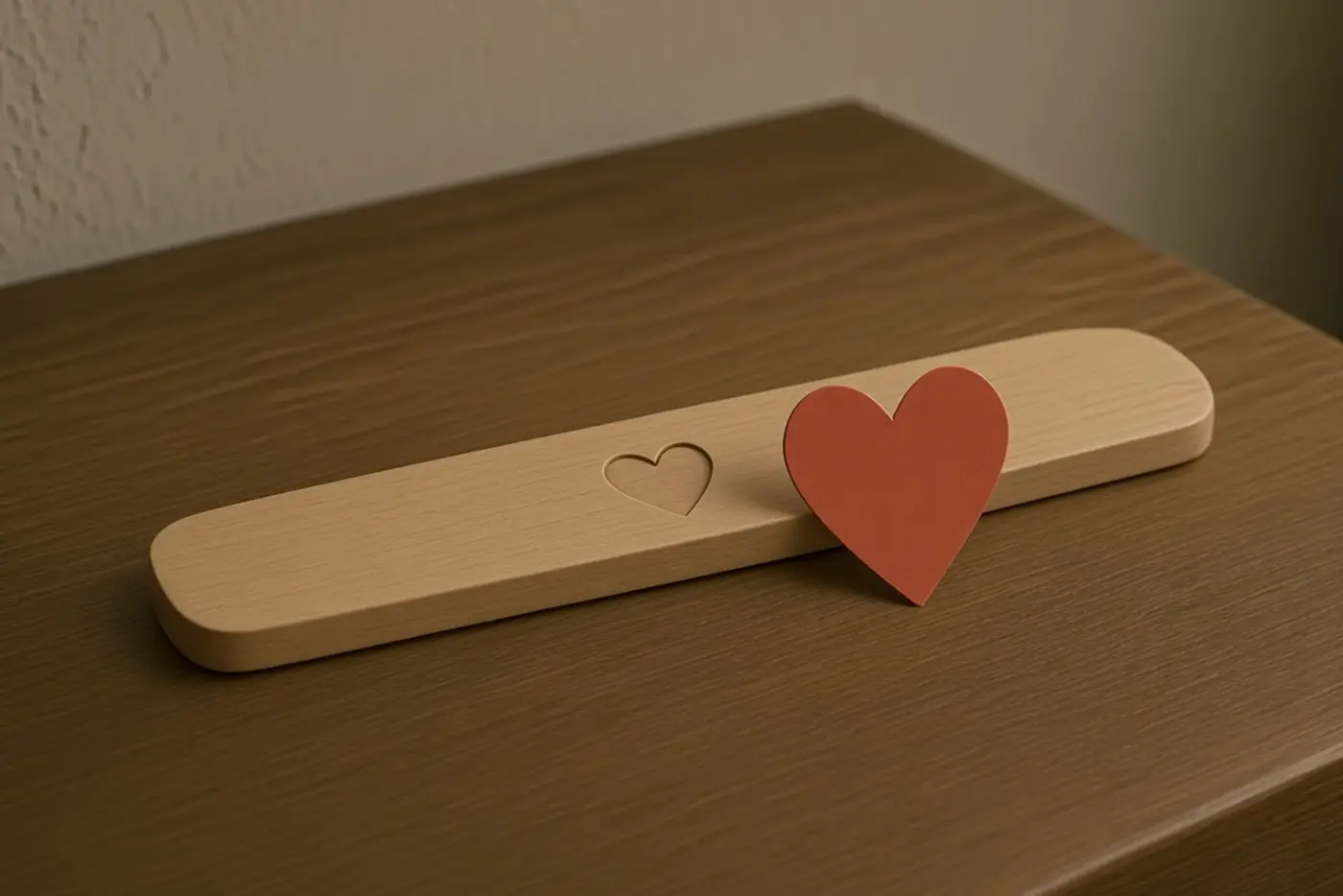
The busk they carved
A stay busk stiffened the front of a pair of stays. Someone could carve a name, a date and one sentence into the wood or the whalebone.
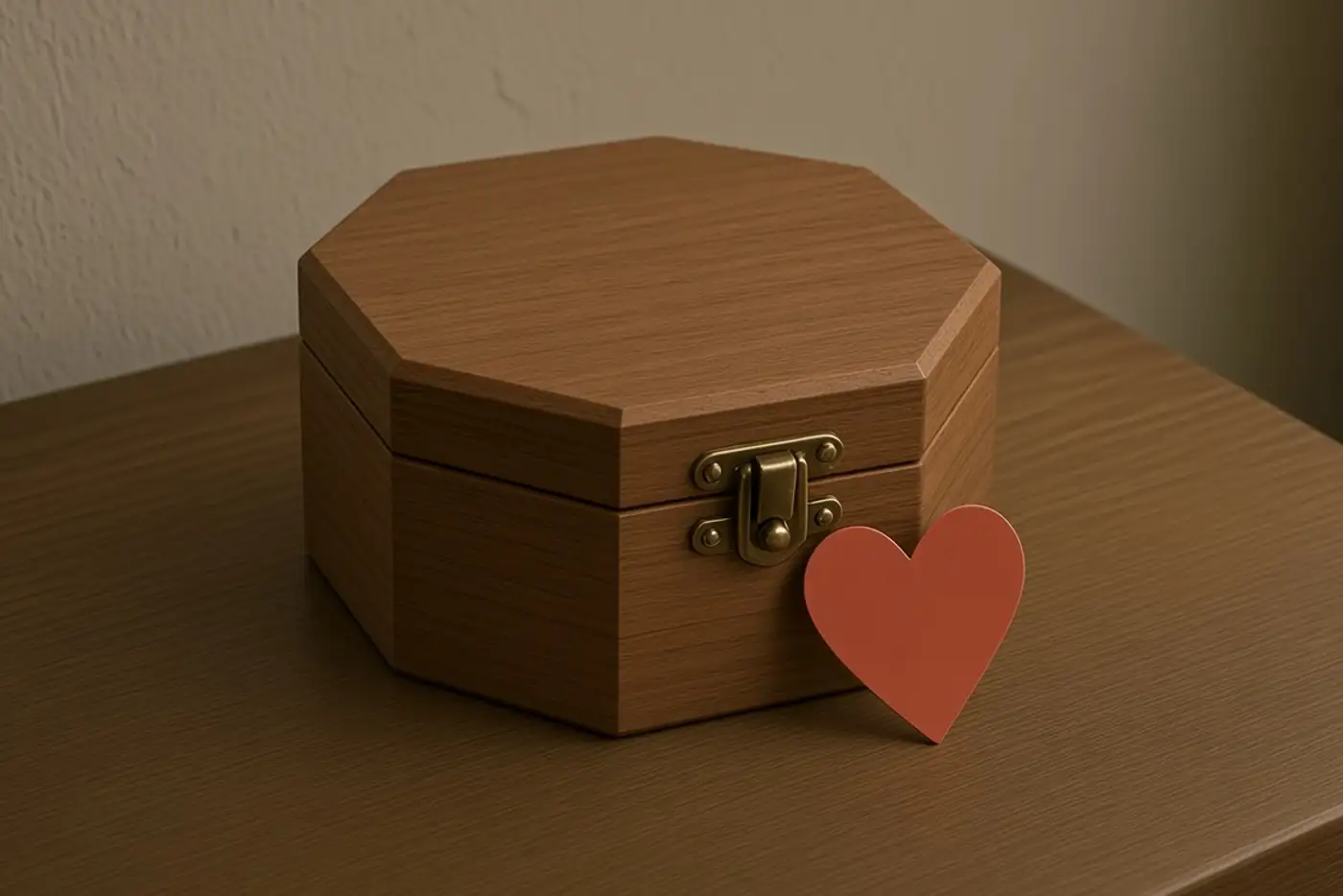
The shells they brought home
A sailor’s valentine was an octagonal box of shells, with a short line set in the middle, bought in Barbados and carried home.
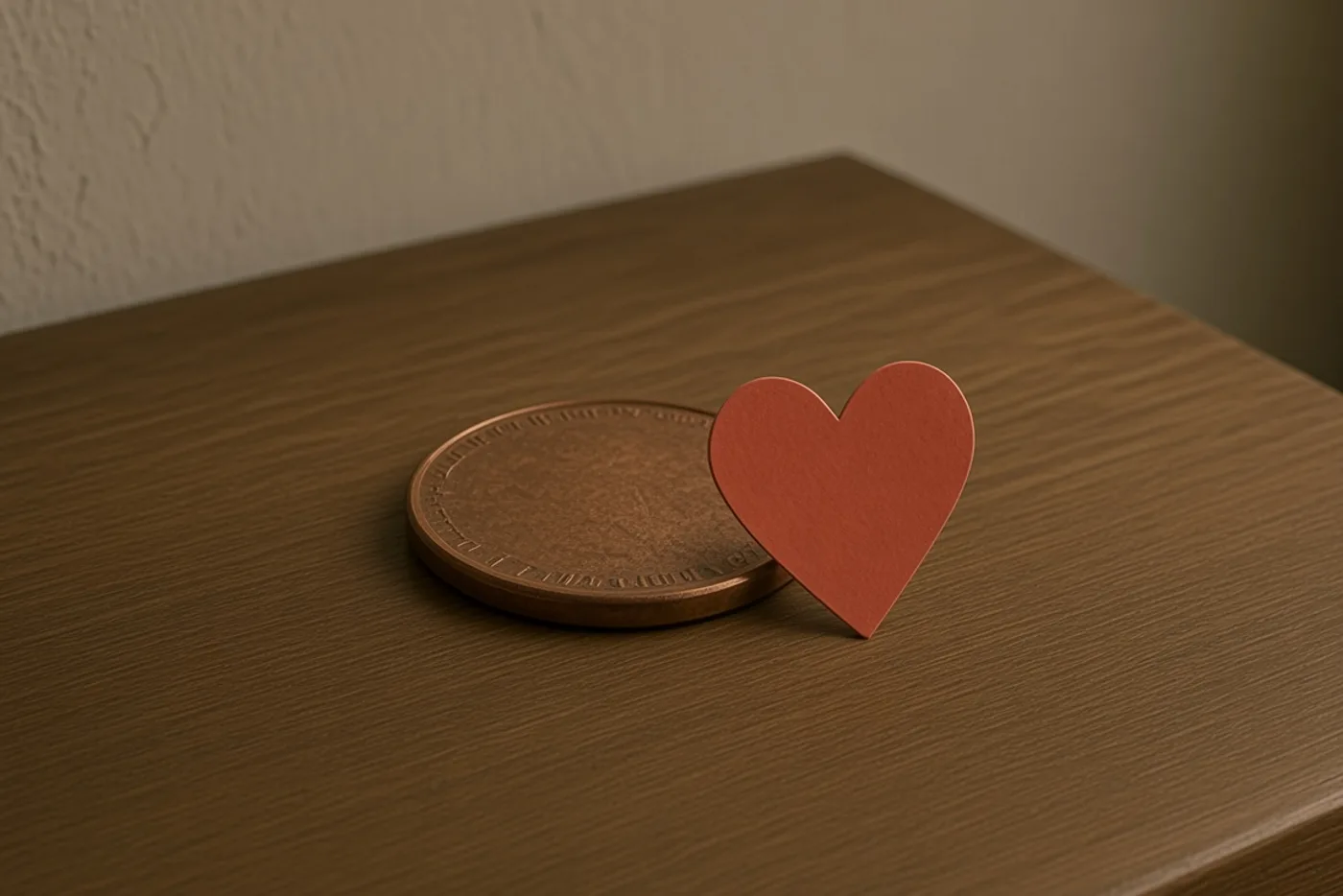
The penny they left
Before he was sent to Australia for life, Thomas Alsop had a penny rubbed smooth and a few words engraved on it for his mother.
The paper they kept
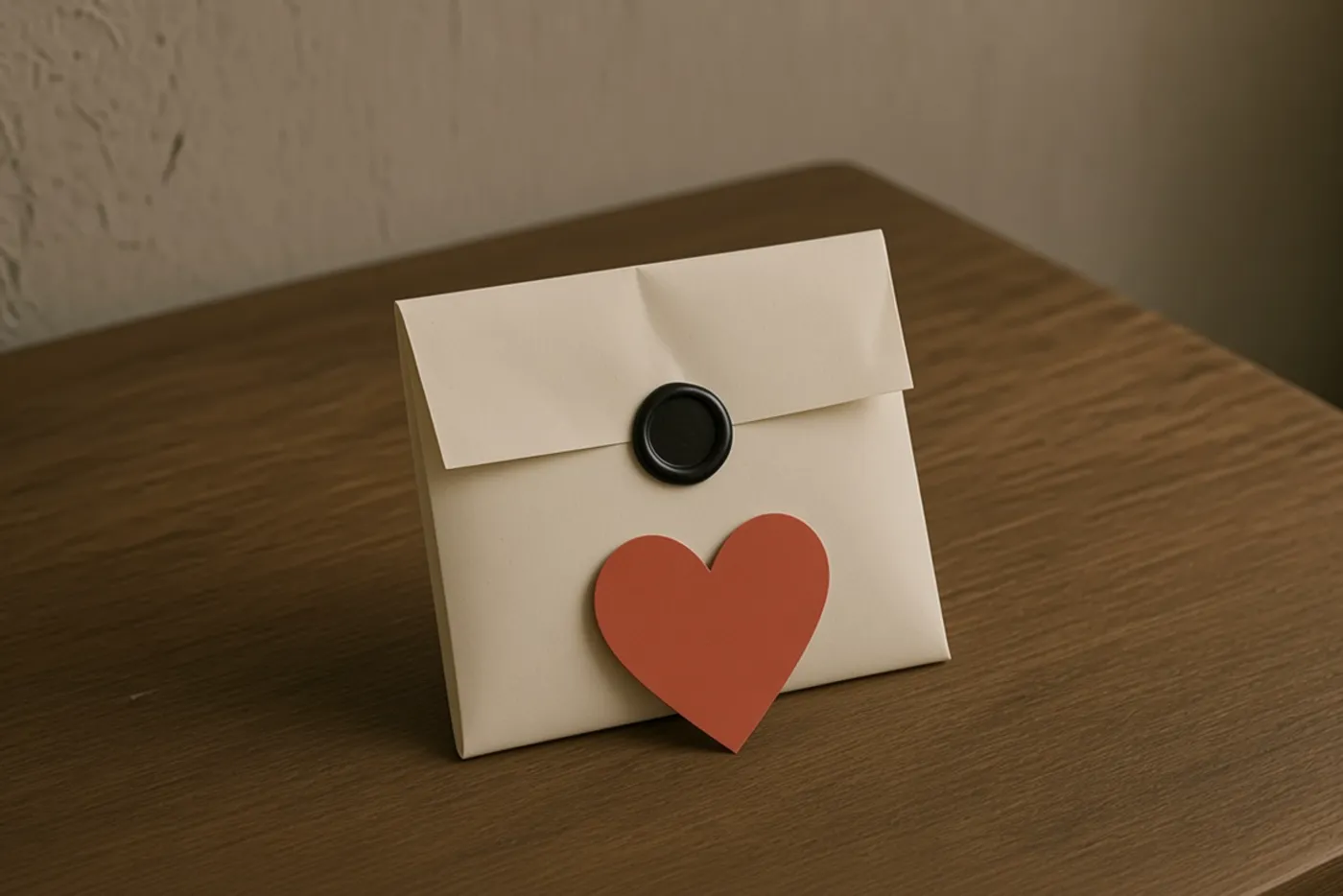
At a funeral in the north of England, each mourner was given two biscuits in white paper, sealed with black wax. The paper carried a name, and a few lines of a hymn.
The words inside the ring
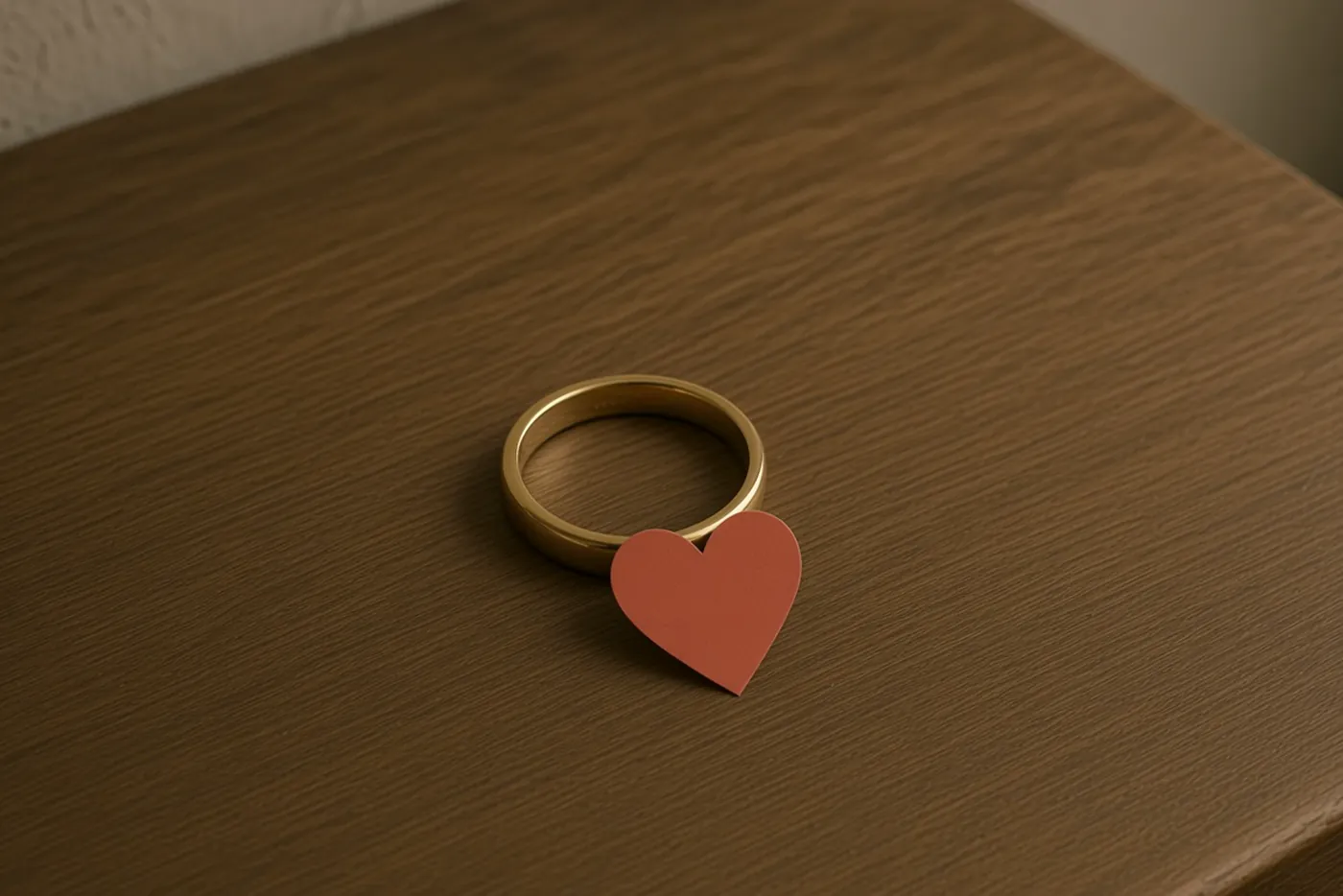
A posy ring carried a short line of love on the inside of the band, where it sat against the finger.
Sixty-six letters
After the First World War a family could add one line to a headstone. It could be no longer than sixty-six letters, and they were charged by the letter.
When this you see, remember me
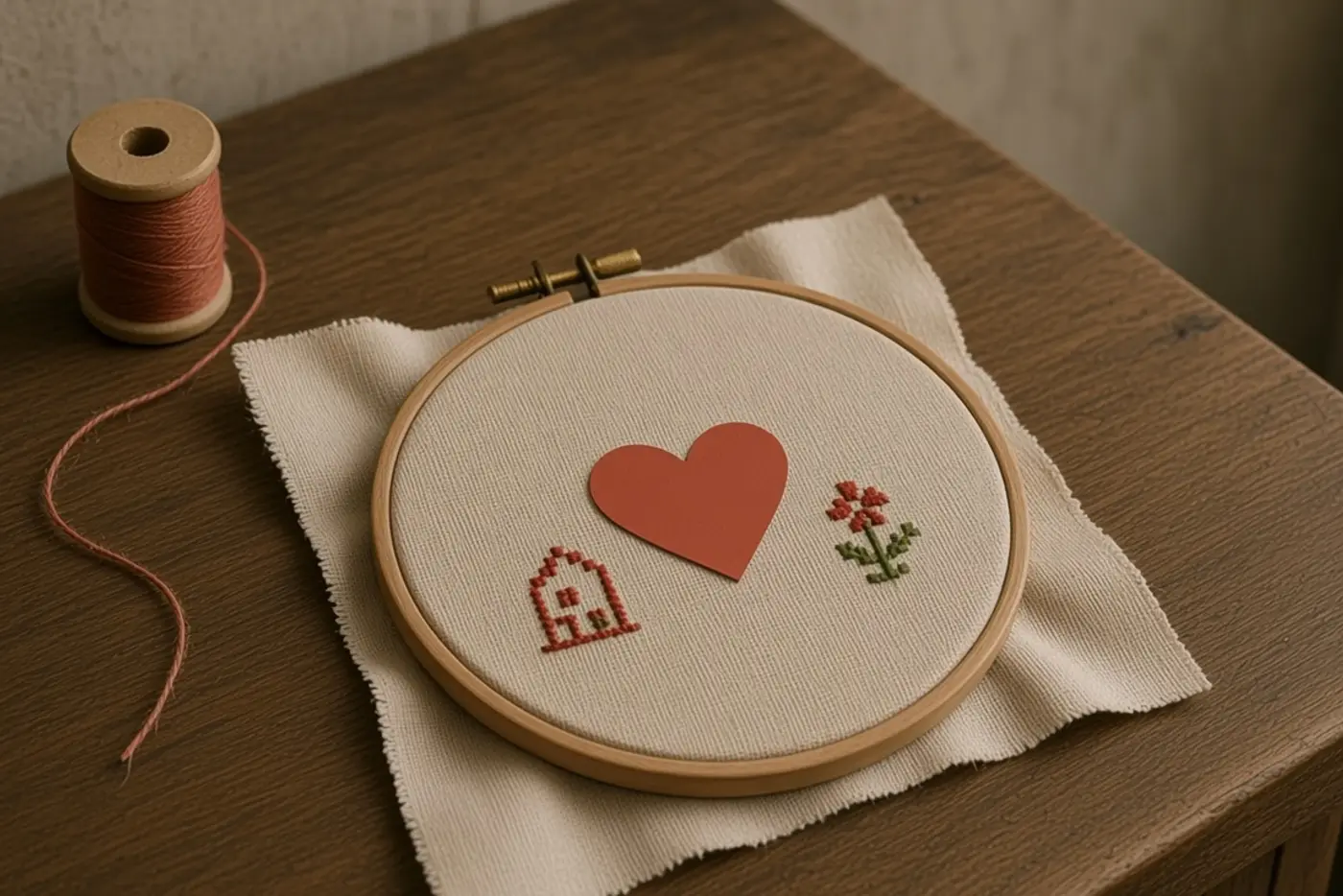
Girls stitched a name, an age and a short verse into linen, and asked whoever saw it to remember them.
The card anyone could read
The postcard was made to be short, cheap and open. People used it for what a letter was too formal to say.
The letter that stays in the drawer
The unsent letter has a long history. Sometimes writing is enough, even when sending is not.
The thank you that never got said
Gratitude that got lost in an ordinary day.
Write to someone you love, or someone you miss
Writing to someone who cannot answer was once treated as a sign that grief had gone wrong. The research now says otherwise.
A few words, on the wall
People have been writing short messages of love on walls for two thousand years. Why they keep doing it.